How can one city have two housing markets that behave so differently? In Lake Elmo, the answer has nothing to do with school boundaries, builder reputations, or which side of the lake you prefer. It comes down to a sewer pipe the Metropolitan Council has been extending west since the spring of 2024.
If you're comparing Lake Elmo to another Twin Cities suburb using a single price you found online, you're looking at a number that blends two markets that behave nothing alike. One is new, fast-moving, and built on municipal sewer. The other is older, slower to turn over, and largely still on private well and septic. Which side of that line a specific parcel sits on tells you more about what you'll pay and how quickly you'll need to decide than almost anything else about the house itself.
One City, Two Very Different Snapshots
Pull a citywide number for Lake Elmo this year and you'll land somewhere in the $775,000 to $787,400 range for asking prices, depending on which snapshot you catch, with homes typically sitting for somewhere between five and nine weeks before going under contract. That's the number most people quote when they say "Lake Elmo is expensive."
But look at South Lake Elmo specifically, and the story changes.
Over the three months ending in July 2026, the median sold price in South Lake Elmo was $767,000, up 33.3 percent from the same stretch a year earlier. Homes there sold in an average of 30 days, down from 41 days the previous year. Twenty-six homes closed in July 2026, compared with 21 the July before.
That's not a market drifting upward. That's a market that changed character. And it changed because of what got built under it, literally, before anyone broke ground on the houses.
What the Sewer Line Actually Unlocked
For years, the western edge of Lake Elmo ran its sewer service through a connection to the City of Oakdale, a hand-me-down arrangement that the Metropolitan Council has said is nearing its capacity. Starting in the spring of 2024, the Met Council began building a new regional sewer line, installing roughly a mile of pipe between 21 and 30 inches wide on the north side of Interstate 94 between I-694 and Inwood Avenue, with a piece of the work touching neighboring Woodbury. Construction was slated to run through this past summer.
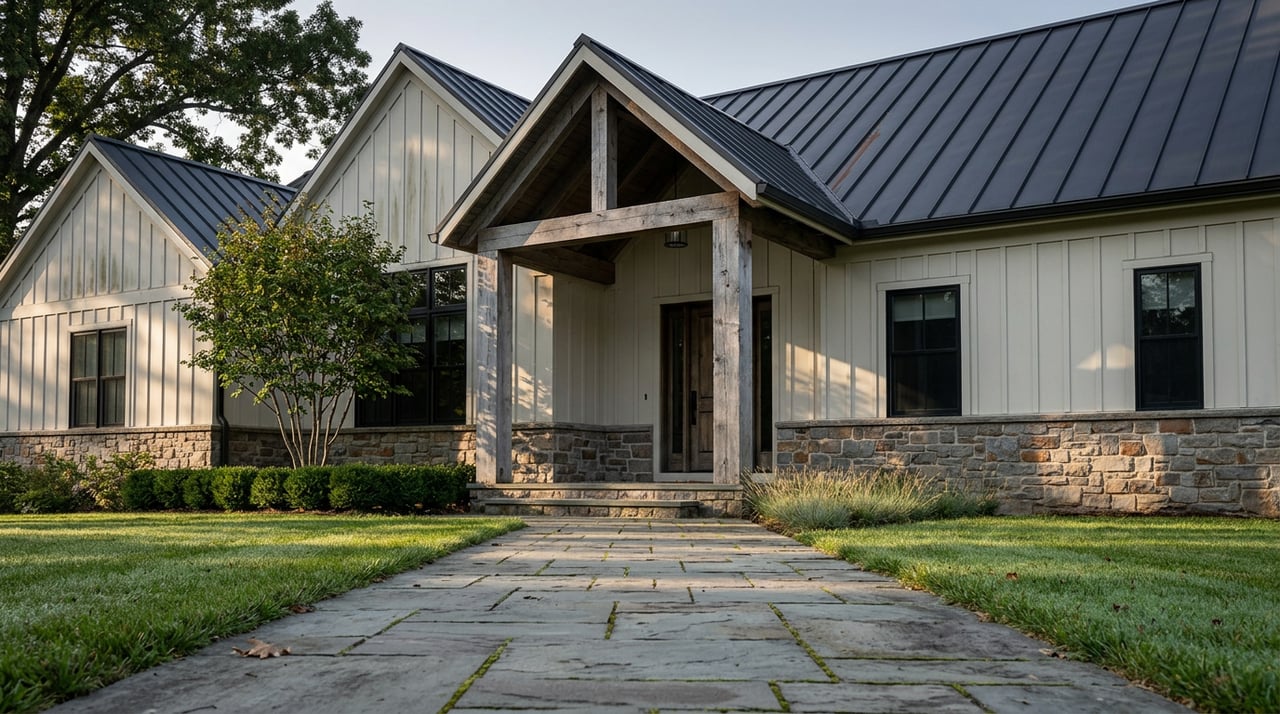
That extension is what makes new subdivisions possible on that side of town. NorthStar, marketed as Lake Elmo's newest luxury neighborhood, had only three lots left as of this summer, with builders Creative Homes and Hanson Builders offering a mix of ramblers and two-story floor plans. One quick-move-in patio home there, built by Robert Thomas Homes, was scheduled to be finished and ready to occupy by mid-October. A few streets over, Cimarron Park has been adding smaller new-construction homes, generally in the 1,300 to 1,600 square foot range, aimed at buyers who want a lower-maintenance footprint rather than acreage.
The commercial side moved with it. Bridgewater Village, on Upper 40th Street, got its final plat approved in 2024 with Bridgewater Bank as the first phase. The city council followed that in June 2025 by approving a conditional use permit for a Primrose Schools daycare on an adjacent undeveloped, commercially zoned parcel in the same development. New rooftops tend to bring new daycare seats and new bank branches close behind them, and that's exactly the pattern showing up here.
The Neighborhoods the Sewer Line Didn't Reach
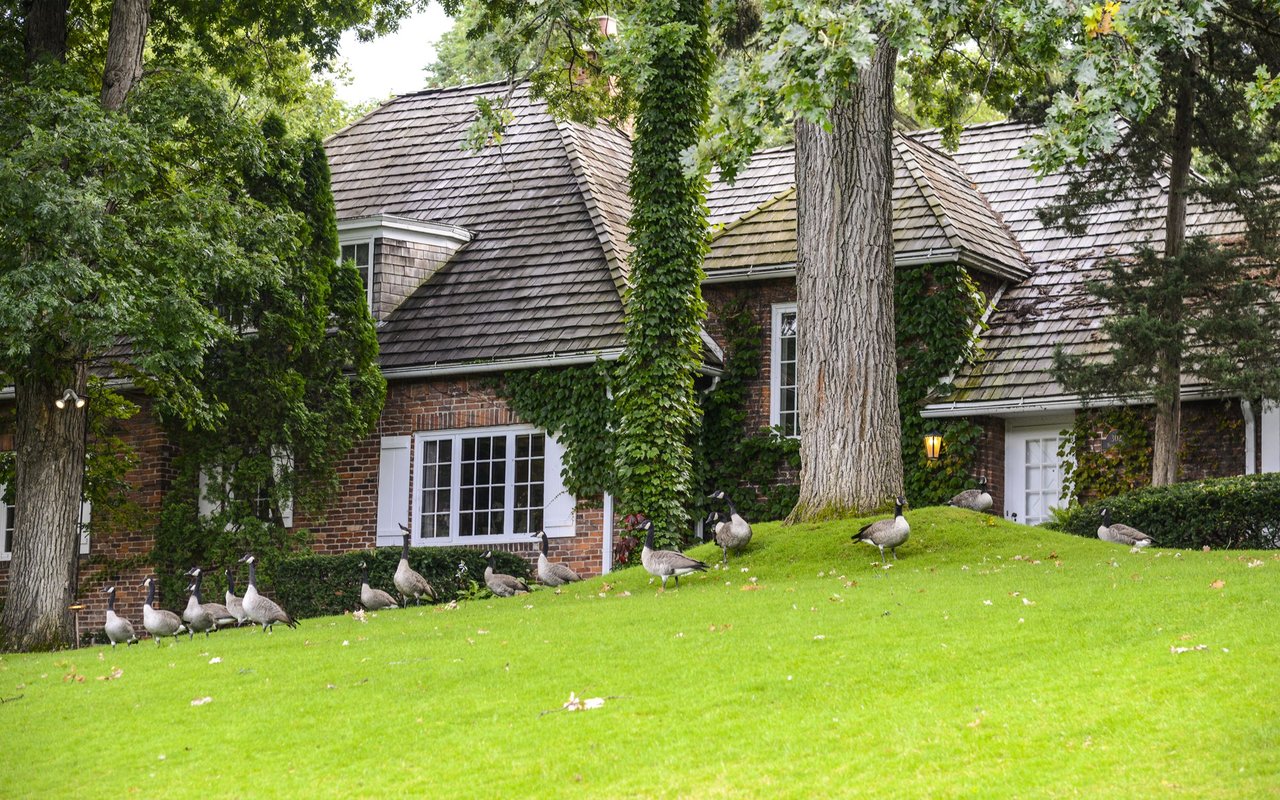
On the other side of that boundary, Lake Elmo still looks the way it has for a couple of generations: established subdivisions, larger lots, and homes that don't come up for sale nearly as often.
The city's own real estate inventory spans a wide range of these legacy pockets, including:
- Entry-level pricing: Starwood Acres, Savona, and Meiers Park
- Mid-range pricing: The Forest, Foxfire, Fields of St. Croix, Meyer's Pineridge, and Arabian Hills
- Upper-range pricing: Farms of Lake Elmo, Torre Pines, Park Meadows, The Sanctuary of Lake Elmo, and Whistling Valley
Areas closer to the 2,100-plus-acre Lake Elmo Park Reserve tend to carry larger lots and more custom, executive-style homes, a pattern that shows up in listings like a 1.32-acre parcel on Lake DeMontreville, part of the area's Tri Lakes chain, with 20 feet of private lake frontage and a mid-century-inspired build. That kind of lot size simply isn't available in the new sewer-served subdivisions, where density is the point.
The clearest sign of how differently these two sides of town trade shows up in the Old Village District, the city's historic core. Recent sales there have been thin enough that standard home-value trackers can't even produce a reliable median sold price from current activity. That's not a data problem. That's what a neighborhood with very little turnover looks like from the outside.
The 180 Acres Nobody Has Priced In Yet
There's a fourth variable sitting quietly in the middle of all this. The city of Lake Elmo owns roughly 180 acres of undeveloped land on its western edge, spread across three parcels near the intersection of Ideal Avenue and 34th Street. The land came to the city through a 2019 settlement with 3M Corporation.
This spring, the city brought in the Urban Land Institute's Minnesota district council to study what should happen there. The resulting technical assistance panel report, published in April 2026, looked at market feasibility, community benefit, and how residents should weigh in on the decision, but stopped short of locking in a specific plan. No development has been approved on that land as of this writing.
Worth noting for anyone tracking that corner of the city: the same Ideal Avenue corridor is also getting a county-level rebuild, with construction on County Highway 13 between County Highway 6 and County Highway 10 originally slated to begin in spring or summer of 2026. The planned road work, alongside unresolved land use decisions in the same stretch of the city, could mean that the map of that neighborhood looks different again in a few years than it does today.
What This Means If You're Comparing Neighborhoods
If you're weighing Lake Elmo against another Twin Cities suburb, don't stop at the headline median. Ask two questions about any specific address you're considering.
First, is it on municipal sewer or on a private well and septic system. That single fact tells you whether you're in the fast-turning, new-construction market or the slower, larger-lot legacy market, and it has real consequences for future maintenance costs and resale pace.
Second, is it inside the growth corridor the Met Council extension opened up, or well outside it. A lot inside that corridor may see more construction traffic and more subdivision activity around it over the next several years, as the city works through what happens with its 180 acres and as builders fill in the last available lots in places like NorthStar. A lot outside that corridor is more likely to keep the character it has now, but you may wait longer to find one that comes up for sale.
Neither answer is right or wrong. They're just different bets, and the median price you saw on a listing site was never going to tell you which one you were making.
A Couple of Questions Worth Asking Directly
Is all of Lake Elmo on city sewer now? No. The recent extension brought regional sewer service to the western part of the city to relieve a connection that was nearing capacity, but many of the city's established neighborhoods remain on private well and septic systems, and that's expected to hold true for those areas for the foreseeable future.
What happens next with the city's 180 acres? As of this year, the land is still in the study phase. A Minnesota-based urban planning group reviewed the site this spring and gave the city a set of recommendations, but no development plan has been approved.
Comparing neighborhoods block by block, sewer line by sewer line, is exactly the kind of homework that pays off before you write an offer, not after. If you're weighing Lake Elmo against another part of the Twin Cities or the St. Croix Valley and want a second set of eyes on what a specific address is actually worth, Steward Pillar is glad to walk through it with you.